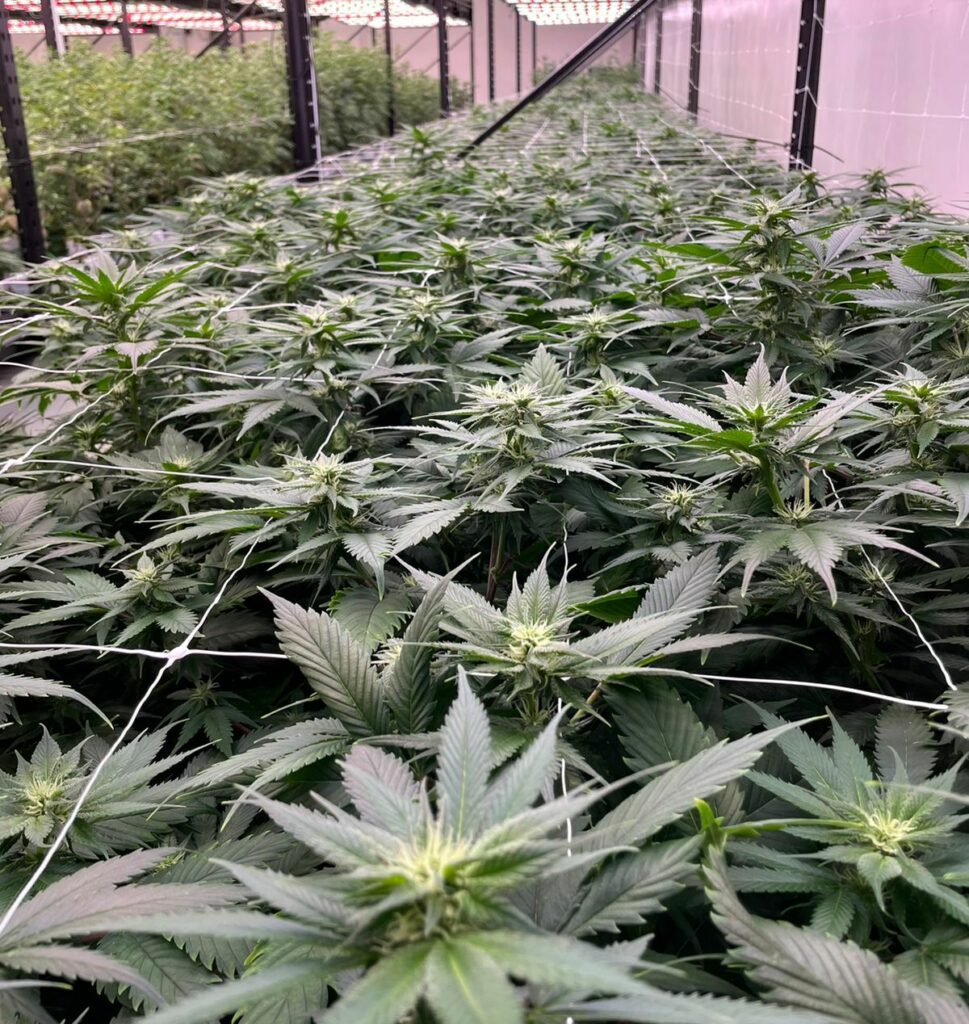
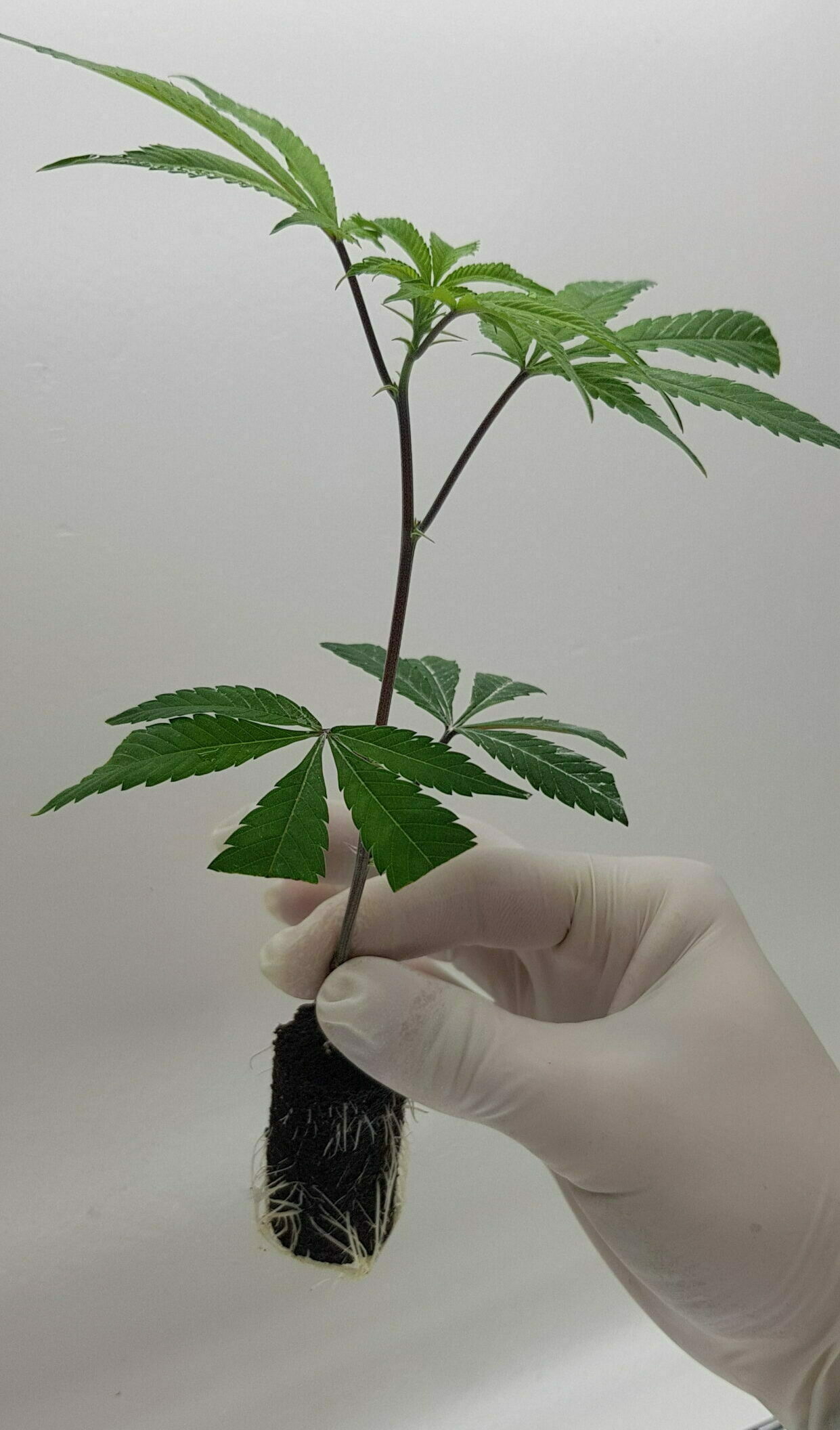
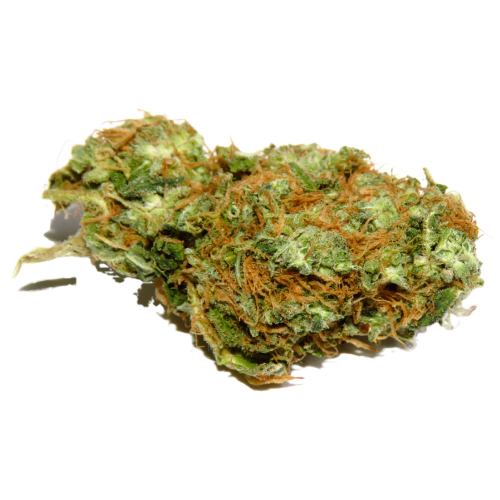
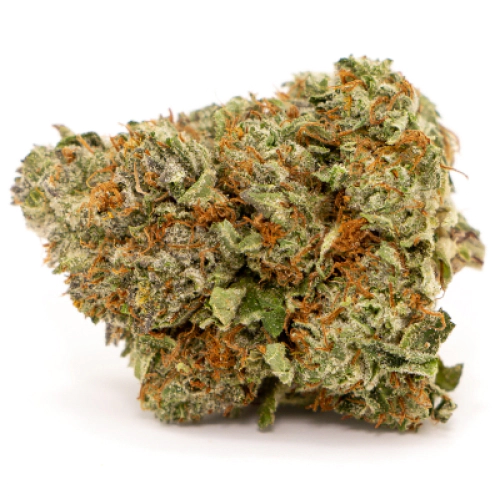
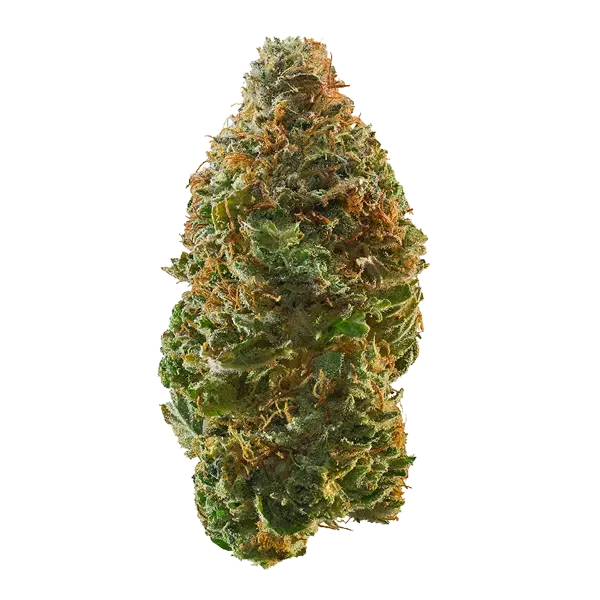
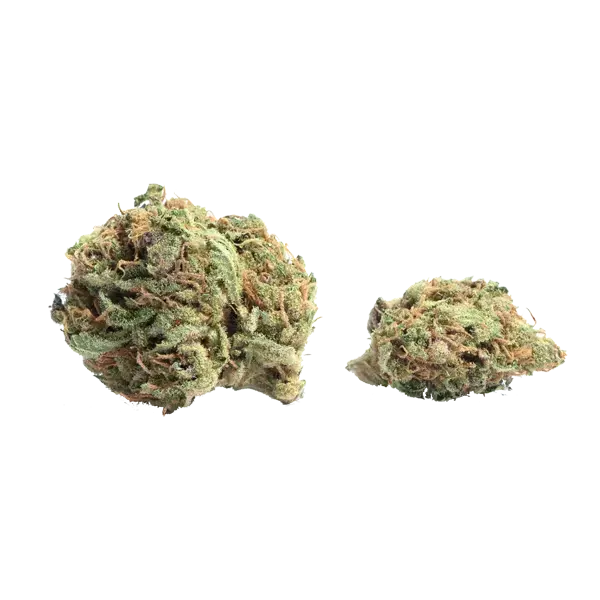
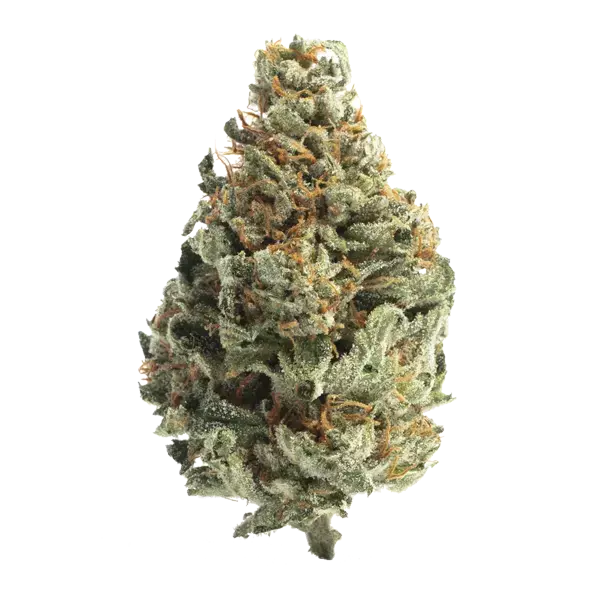
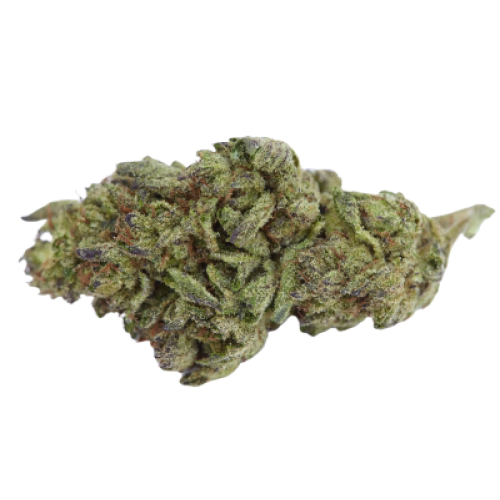
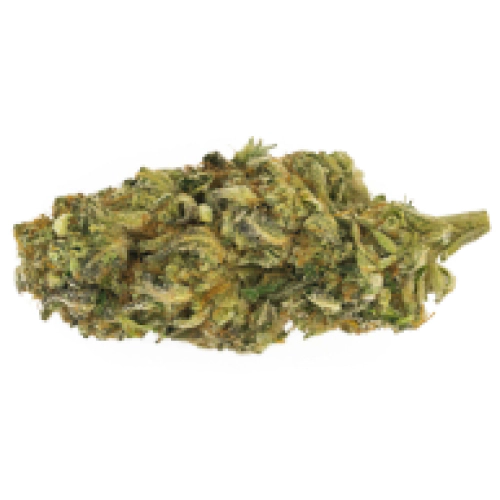
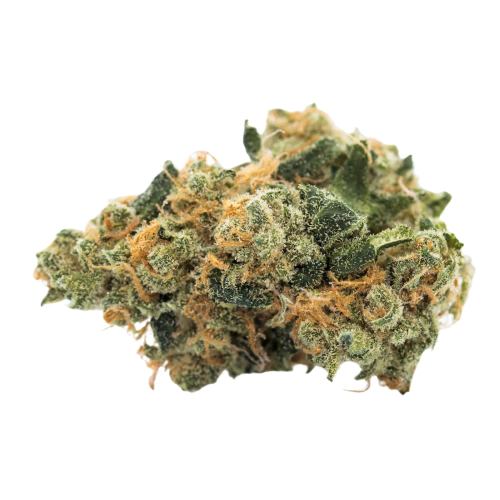
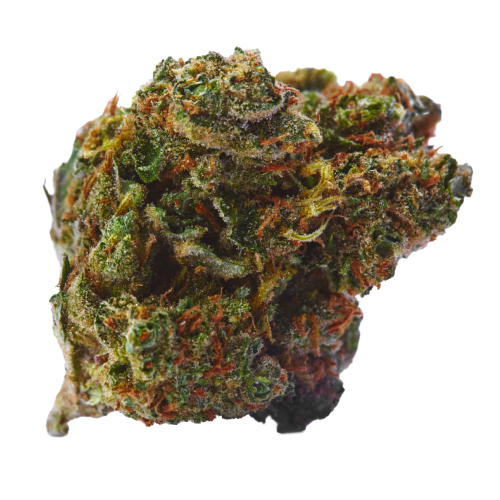
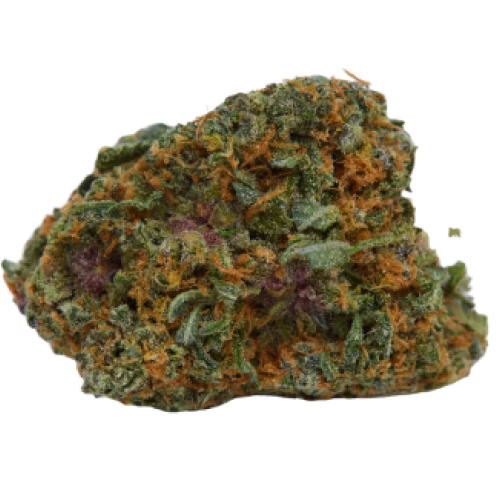
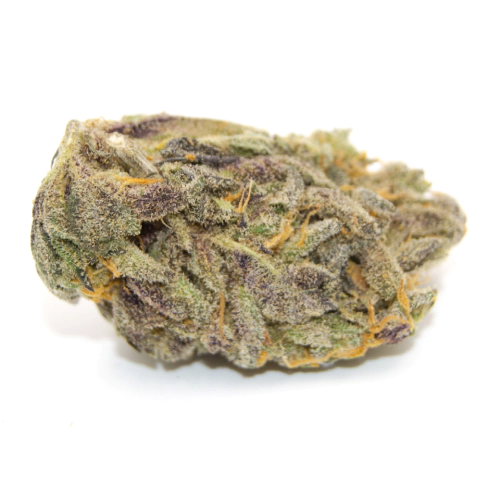
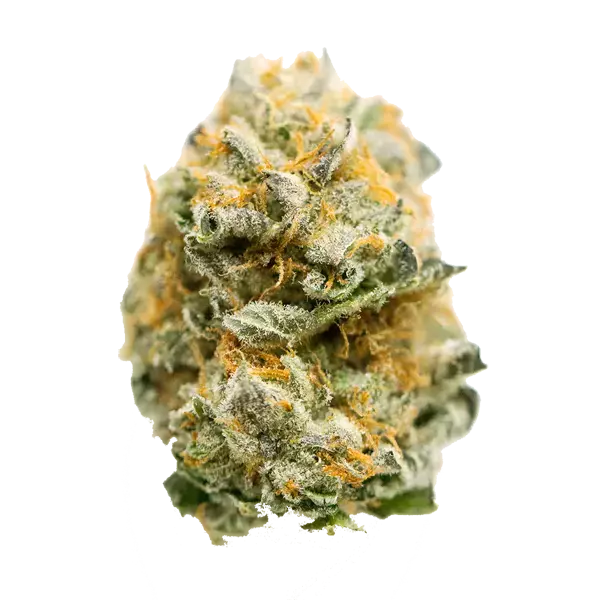
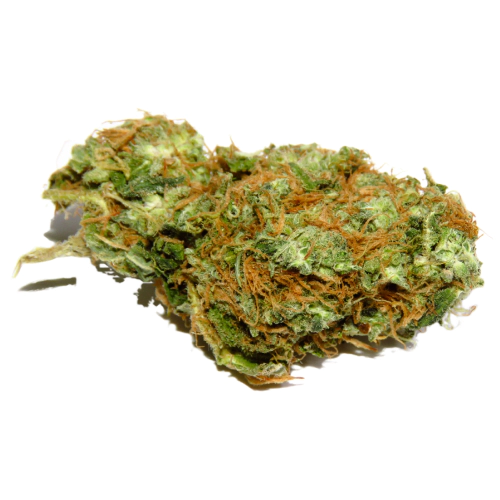
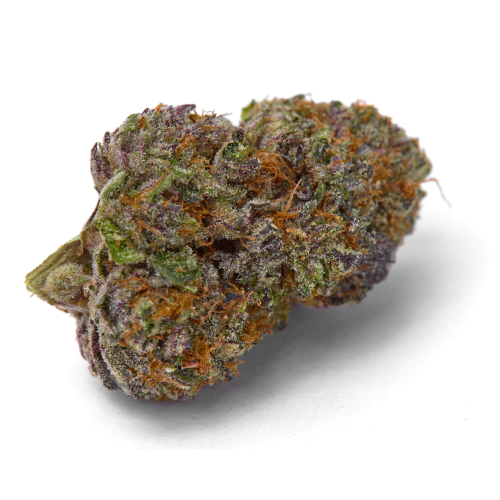
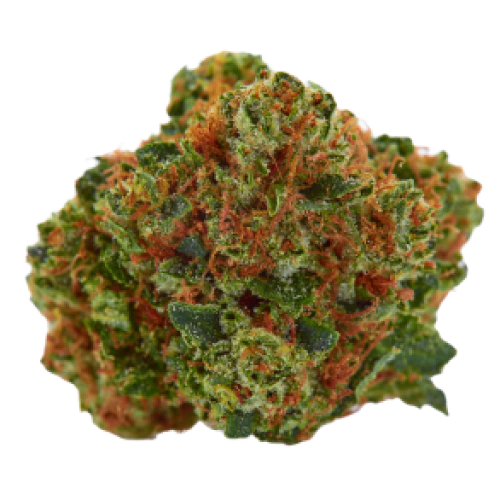
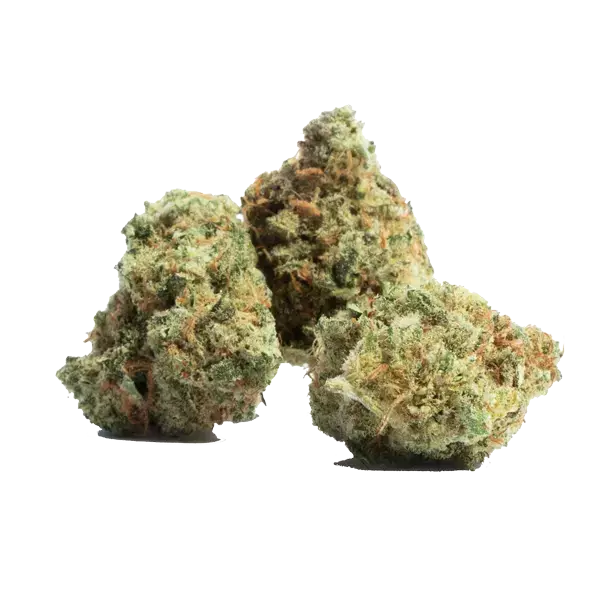
Our indoor facility has been designed to focus on achieving idealistic controlled environments to enhance each crop’s quality and productivity within their environment. Our facility can accommodate the full growth cycle from cannabis seed to sale. Royal African Kultivation (Pty) Ltd has a passionate and knowledgeable team. Our entire team prides themselves with integrity to each cannabis plant grown within our facility. Royal African Kultivation (Pty) Ltd aims to ensure that our clients can purchase medical cannabis with the utmost confidence and trustworthiness.
Sativa cannabis strains grow best in the warmer parts of the world and do well with high humidity levels. Some of the common locations you’ll find Sativa strains grown include Central America, South America, and Southeast Asia.
Physically speaking, Sativa strains are tall, slender plants that feature skinny leaves. The leaves are generally light green.
Sativa effects tend to be centered around the mind, which is why people say it offers a “head high.” People find smoking Sativa makes them feel more energized and better focused. These effects make Sativa strains best for daytime use, because using them at night may cause insomnia.
Indica cannabis plants are typically grown in the harsh, dry climates of the Middle East. Physically, the plants are short and bushy with broad, dark green leaves. The buds themselves tend to be a lot denser in Indica plants versus Sativa plants.
Indica effects tend to focus more on the body, which is why people say it causes a “body high.” You may have heard this referred to as “couch lock.”
Since Indica strains tend to be so relaxing, they’re best for nighttime use. Using them during the day can cause drowsiness at inappropriate times.
Hybrid cannabis strains are created by crossing a Sativa and an Indica together. Sometimes, hybrids are formed from three or more different strains.
Sometimes a hybrid cannabis strain will be Indica-dominant or Sativa-dominant. Other times, it can be an almost even combination of the two. The effects a person receives from using these strains depends on the combination of parent strains used.
Marijuana can be used in a number of ways. Marijuana can be smoked in joints (like a cigarette), in blunts (cigars or cigar wrappers that have been partly or completely refilled with marijuana), or in bongs (pipes or water pipes). Marijuana also can be mixed or infused into foods like cookies, cakes, or brownies (called edibles) and can be infused in drinks.
It can be vaped using electronic vaporizing devices (i.e., e-cigarettes or vape pens) or other vaporizers. Compounds (or cannabinoids) in marijuana can also be extracted to make oils and concentrates that can be vaped or inhaled. Smoking oils, concentrates, and extracts from the marijuana plant, known as “dabbing,” is on the rise. Health and safety risks exist for each of the different ways of using marijuana.
How marijuana affects a person depends on several factors, including:
The cannabinoids in marijuana may reduce pain by altering pain perception pathways in the brain. This may be helpful to treat conditions that cause chronic pain, such as:
It may also minimize cancer treatment side effects, like loss of appetite.
In some instances, medical marijuana is reported to help replace the long-term use of nonsteroidal anti-inflammatory drugs (NSAIDs) like ibuprofen, which can have negative side effects.
CBD in marijuana is thought to help reduce inflammation. In theory, this may benefit inflammatory conditions, such as:
Decreasing inflammation in the body can also improve overall health.
Due to its effects on the limbic system, doctors sometimes prescribe marijuana to treat the following neurological and mental health conditions:
The relaxing effects of marijuana may help improve sleep disorders, such as insomnia. And improved sleep may also occur when pain is reduced from marijuana usage.